

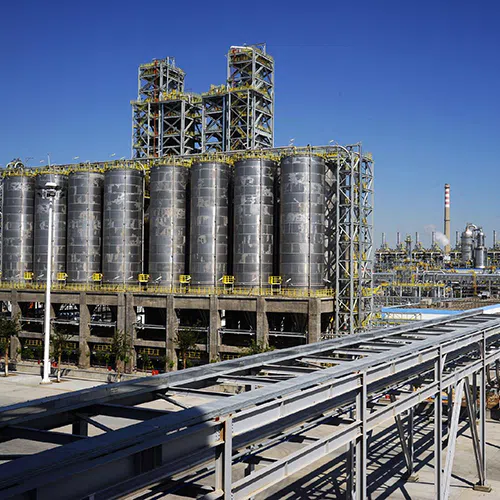
On October 15, China’s first full‑chain green low‑carbon ethylene project — PetroChina Dushanzi Petrochemical Tarim Phase‑II 1.2‑million‑ton‑per‑annum Ethylene and Supporting Green Low‑Carbon Demonstration Project — was fully put into commercial operation. This marks PetroChina’s total ethylene production capacity rising to 12.03 million tons per annum, establishing long‑term stable operational capacity of a 3‑million‑ton‑level ethylene industrial base in Xinjiang.
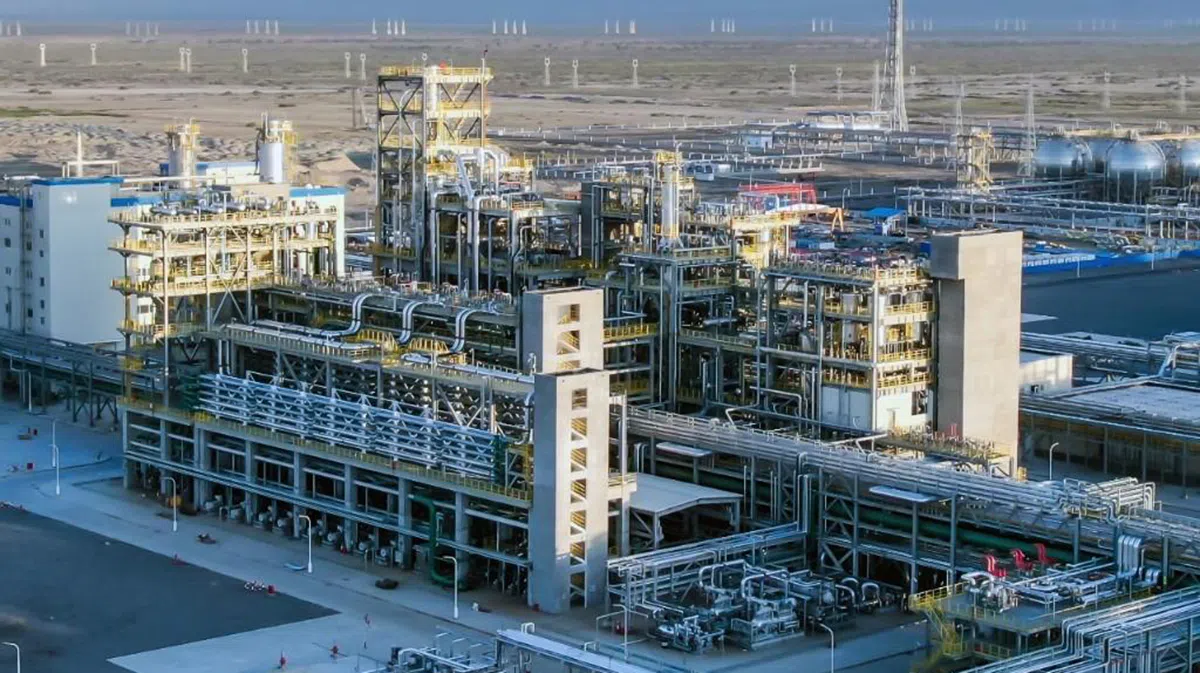
PetroChina Dushanzi Petrochemical Tarim 1.2‑million‑ton Ethylene Project Core Unit — Ethylene Unit
Since its successful one‑time startup on July 16 this year, the project has produced more than 260 000 tons of ethylene and supplied 566 000 tons of high‑quality chemical products to external users, with a 100 % qualification rate for all product categories. Its polypropylene and MTBE (methyl tert‑butyl ether) products are sold far to Central Asian markets.
Since commissioning, the project has maintained smooth production‑sales performance, verifying the reliability of PetroChina’s self‑developed complete large‑scale ethylene technology and the industrial application of domestically‑produced core equipment. On July 25, the full process flow was unlocked, and eight core units including full‑density polyethylene, polypropylene and cis‑1,4‑polybutadiene rubber stably delivered qualified products. On August 12, the supporting green low‑carbon demonstration project went fully online, and the fertilizer unit produced qualified output. On September 24, the first high‑load calibration was completed; multiple technical and economic indicators of the units outperformed design values, with energy efficiency reaching a leading domestic level. Among the project’s 11 major production units, 10 adopt domestic independent technologies, of which nine are proprietary to PetroChina, delivering an overall localization rate of 99 %.
The project builds a closed‑loop full‑chain low‑carbon technical system featuring “direct green‑power connection + carbon capture + blue hydrogen + blue ammonia + green fertilizer”. It hosts China’s first ethylene three‑unit electric‑drive facility based on home‑grown technology and the world’s first demonstration base for carbon recycling of ethylene cracking furnace flue gas. By recovering carbon dioxide from ethylene cracking furnace flue gas to manufacture urea, the project realizes “waste‑to‑fertilizer” production. Up to now, it has captured and utilized over 100 000 tons of carbon dioxide and produced more than 120 000 tons of green urea. The project can cut annual carbon emissions by 1.37 million tons, whose carbon‑sequestration ecological benefit is equivalent to adding 5.48 million mu of forest carbon sinks. The Shangku High‑Tech Industrial Development Zone in Korla, Xinjiang, where the project is located, has been listed among China’s first‑batch national‑level zero‑carbon park construction sites.
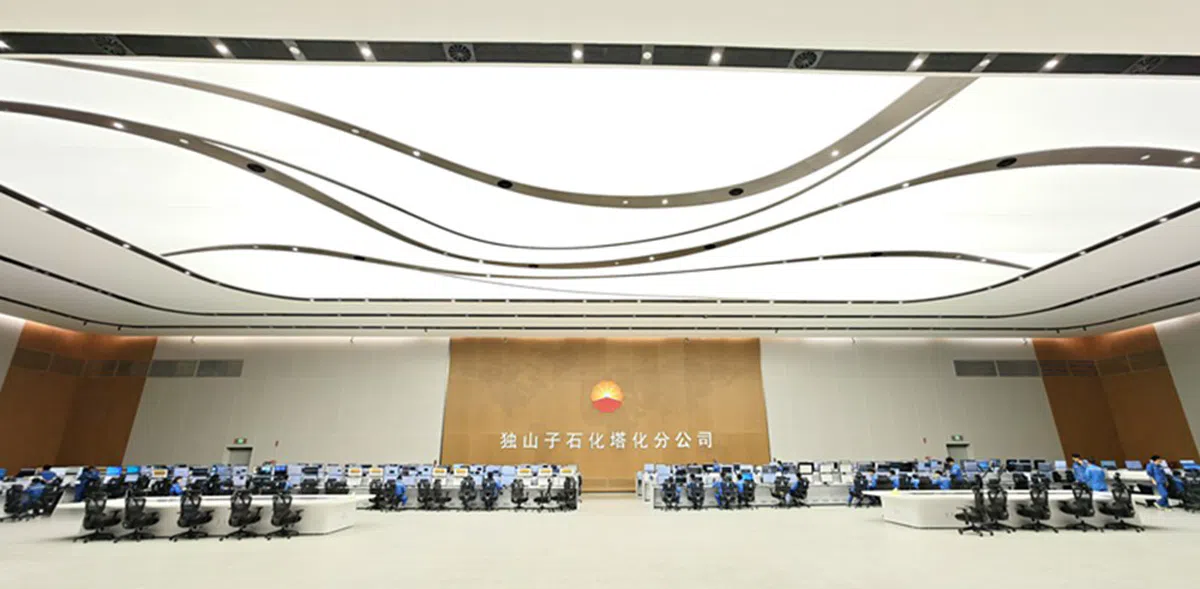
The central control center, where the ethylene project is centrally controlled
Known as “the mother of petrochemical industry”, ethylene serves as a key metric for evaluating a country’s petrochemical development level. Following the launch of this project, PetroChina’s total ethylene capacity has reached 12.03 million tons per annum. For a long time, China’s ethylene capacity layout has shown a pattern of “strong east, weak west”. In 2025, ethylene capacity in eastern coastal regions accounted for 65 % of the national total. The commissioning of this project will effectively mitigate the imbalance in regional capacity distribution and strengthen the resilience of industrial and supply chains.
The project can annually produce 900 000 tons of full‑density polyethylene, 450 000 tons of polypropylene and 100 000 tons of cis‑1,4‑polybutadiene rubber, with a total rubber‑plastic product capacity of 1.45 million tons. It fills gaps in high‑end polyolefin and synthetic rubber new‑material industries in southern Xinjiang, drives the formation of a hundred‑billion‑yuan‑level downstream industrial cluster in the region, and can boost the GDP of Bayingolin Mongolian Autonomous Prefecture, Xinjiang, by 15 %. According to Huang Xinping, Member of the Standing Committee of the CPC Bayingolin Prefectural Committee and Executive Vice‑Governor, the project directly creates 1 500 new jobs. With the successive completion of downstream industrial projects, more than 15 000 additional job positions are expected to be generated.
Jin Yong, Member of the Chinese Academy of Engineering and Professor at Tsinghua University, commented that as China’s first full‑chain green low‑carbon ethylene demonstration project, the Tarim 1.2‑million‑ton ethylene project delivers important demonstration and driving value for the industry to implement the national “dual‑carbon” strategy and advance the green transformation and upgrading of traditional petrochemical sectors. Such green demonstration models effectively address industry bottlenecks. While securing industrial supply capacity and safeguarding industrial‑supply‑chain security, they establish a full‑chain low‑carbon development system, synchronously achieving capacity upgrading together with energy conservation and carbon reduction, and reshaping the conventional development logic of high‑energy‑consumption petrochemical industries. Jiang Qingzhe, President of China International Carbon Neutrality Economic Research Institute, remarked that the project has created a “Chinese solution” for the low‑carbon transition of the petrochemical industry.
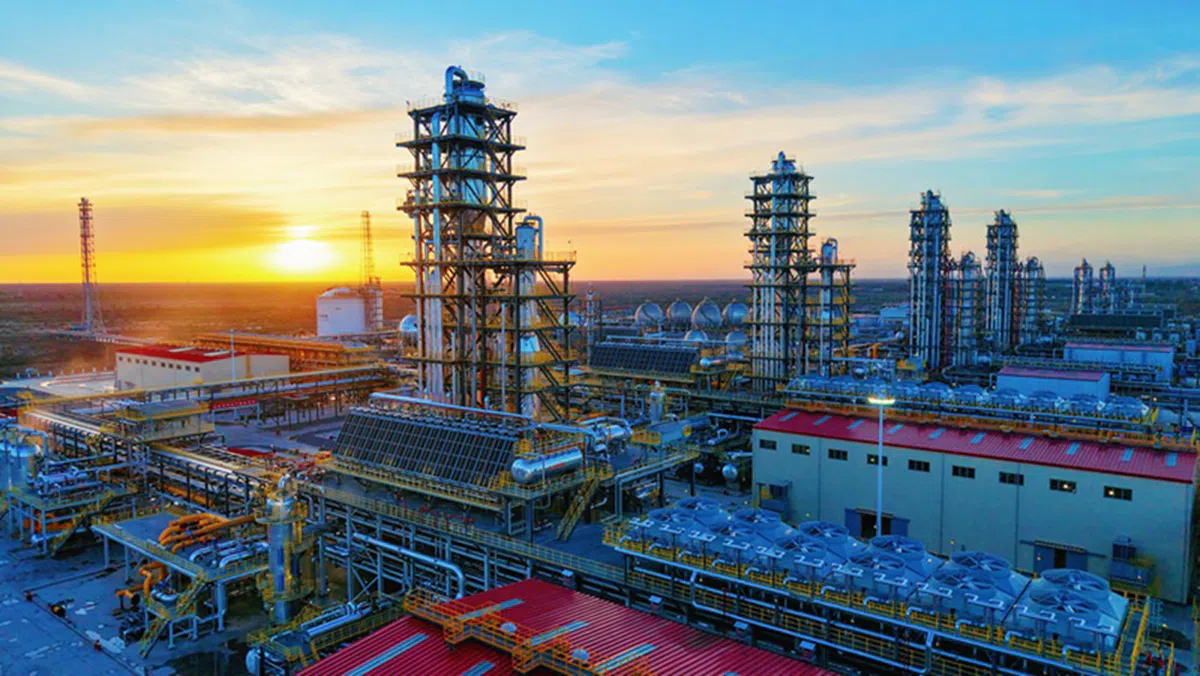
Lunnan Deep Natural Gas Processing Project of PetroChina Tarim Oilfield
According to Wang Shengwei, Executive Director and Party Secretary of PetroChina Dushanzi Petrochemical Company, with the project fully entering commercial operation, Dushanzi Petrochemical will leverage its full‑process self‑owned ethylene capacity to unlock large‑scale new‑material production chains. It will substantially enhance supply security for high‑end new‑material feedstocks, provide stable, low‑cost raw‑material support for R&D, pilot‑scale testing and industrialization of cutting‑edge new materials, further boost iterative R&D capacity for new materials, coordinate business layouts across northern and southern Xinjiang, and strive to build an industrial system of “basic raw materials + high‑end materials + cutting‑edge materials”. It will foster a differentiated, high‑end and serialized product portfolio and build an innovation demonstration base for chemical new materials.
News Source: China Chemical News


