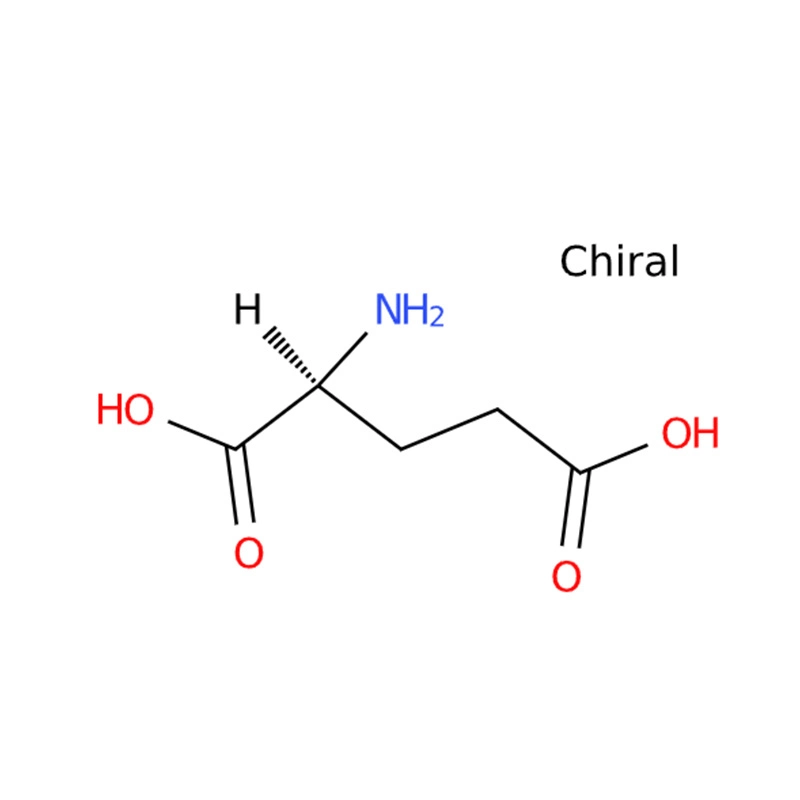
Product Description of L-Glutamic Acid CAS#56-86-0
L-Glutamic Acid is a naturally-occurring amino-acid found within plant-based and animal proteins. It carries a faint scent similar to yeast or freshly-baked bread, alongside a gentle sweet and meat-like flavour. This acid makes up nearly 20 percent of proteins from everyday-eaten food.
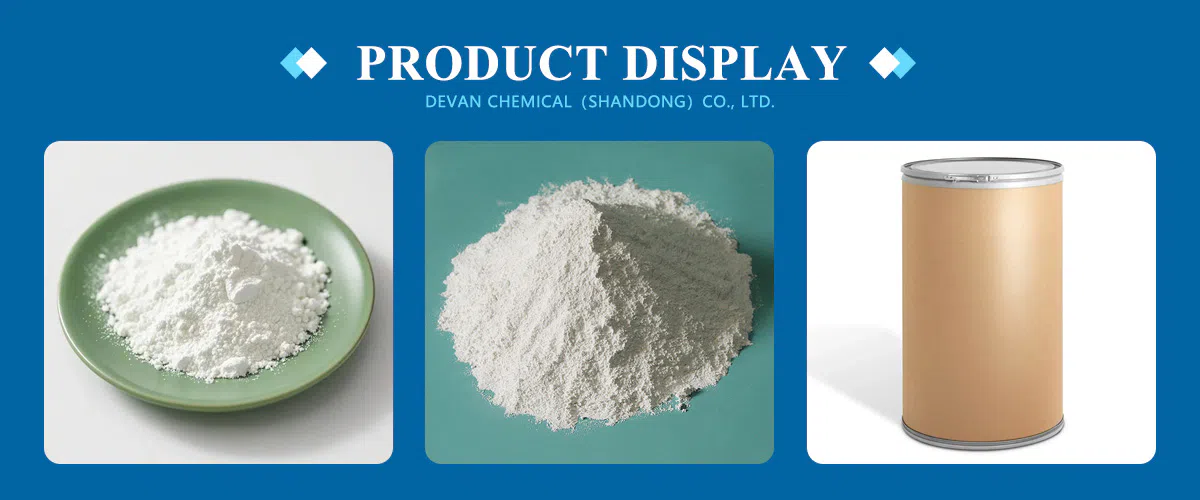
It appears as white crystalline powder. Soluble in water, it stays undissolved in most organic solvents and takes part in crucial human-body metabolism.
L-Glutamic acid Chemical Properties
| Melting point | 205 °C (dec.) (lit.) |
| alpha | 32 º (c=10,2N HCl) |
| Boiling point | 267.21°C (rough estimate) |
| density | 1.54 g/cm3 at 20 °C |
| bulk density | 460kg/m3 |
| FEMA | 3285 | L-GLUTAMIC ACID |
| refractive index | 1.4300 (estimate) |
| storage temp. | 2-8°C |
| solubility | 1 M HCl: 100 mg/mL |
| form | powder |
| pka | 2.13(at 25℃) |
| color | White |
| PH | 3.0-3.5 (8.6g/l, H2O, 25℃) |
| Odor | at 100.00 %. mild yeast baked bread |
| Odor Type | yeasty |
| biological source | non-animal source |
| Optical Rotation | [α]20/D +32°, c = 10 in 2 M HCl |
| Water Solubility | 7.5 g/L (20 ºC) |
| λmax | λ: 260 nm Amax: 0.1 |
| λ: 280 nm Amax: 0.1 | |
| Merck | 144469 |
| JECFA Number | 1420 |
| BRN | 1723801 |
| InChIKey | WHUUTDBJXJRKMK-VKHMYHEASA-N |
| LogP | -3.69 |
| CAS DataBase Reference | 56-86-0(CAS DataBase Reference) |
| NIST Chemistry Reference | L-Glutamic acid(56-86-0) |
| EPA Substance Registry System | L-Glutamic acid (56-86-0) |
Safety Information
| Hazard Codes | Xi |
| Risk Statements | 36/37/38 |
| Safety Statements | 24/25-36-26 |
| WGK Germany | 2 |
| RTECS | LZ9700000 |
| F | 10 |
| TSCA | Yes |
| HS Code | 29224200 |
| Hazardous Substances Data | 56-86-0(Hazardous Substances Data) |
| Toxicity | LD50 orally in Rabbit: > 30000 mg/kg |

Product Applications of L-Glutamic Acid CAS#56-86-0
L-Glutamic-acid and its sodium-salt derivative monosodium glutamate (MSG) serve as popular food additives for flavour-boosting in daily meals. Seaweed materials have long been utilised across Asia to upgrade food taste for more than one thousand years. Nevertheless, researchers did not confirm glutamic-acid as the active flavour-enhancing constituent until the-year 1908.