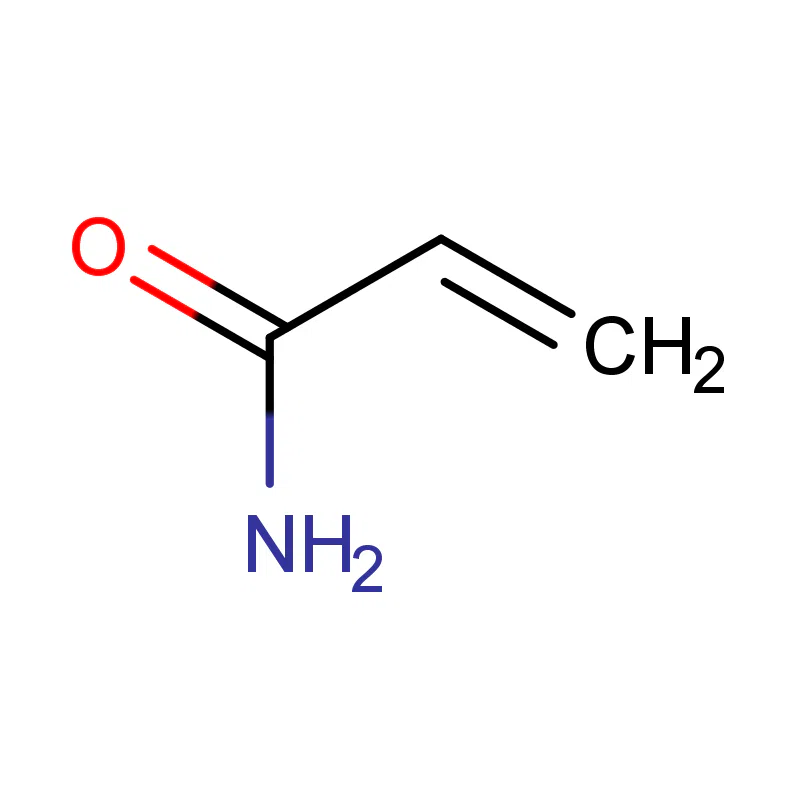
Products Description of Polyacrylamide CAS#9003-05-8
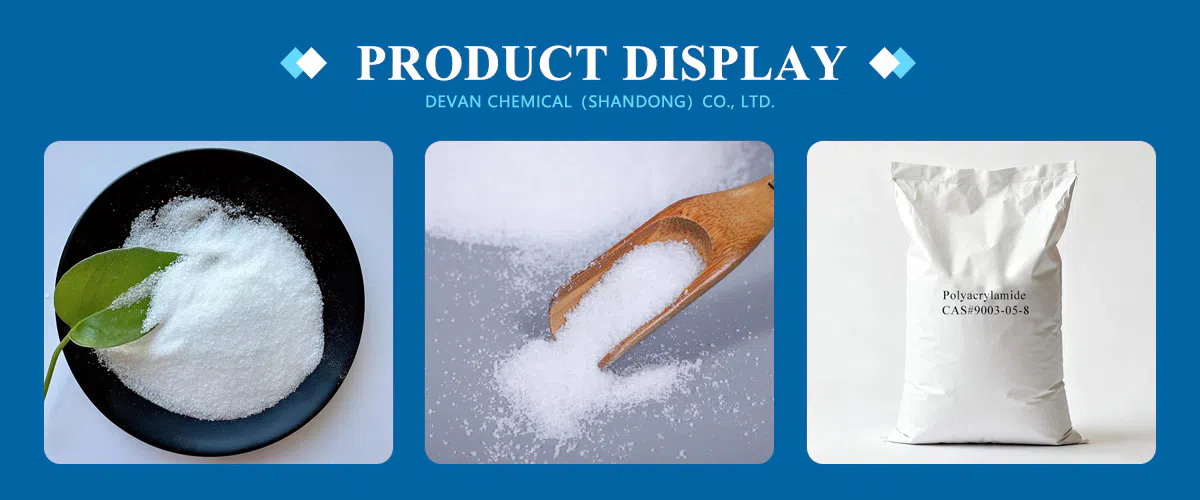
Polyacrylamide, abbreviated as PAM, is a water soluble high molecular weight polymer produced by the polymerization of acrylamide monomers, with a repeating formula of (C3H5NO)n. It is supplied as white to faintly yellow powder or granules and dissolves in water to form a viscous, high viscosity solution, while remaining insoluble in most organic solvents.
Depending on the ionic nature of the polymer chain, it is available in anionic, cationic and nonionic grades, each tailored for specific applications. With molecular weights ranging from several million to tens of millions, PAM exhibits strong bridging and flocculation ability, making it a leading agent for wastewater treatment, sludge dewatering, papermaking retention and oilfield applications. The product is hygroscopic and should be stored in sealed, dry and cool conditions. For food contact and drinking water applications, low residual acrylamide grades are required to ensure safety and regulatory compliance.
Polyacrylamide Chemical Properties
| Melting point | >300 °C |
| density | 1.189 g/mL at 25 °C |
| Tg | 165°C |
| refractive index | n20/D 1.452 |
| Fp | >230 °F |
| storage temp. | 2-8°C |
| solubility | Water |
| form | Powder or granules |
| color | White to faintly yellow |
| Odor | odorless |
| Water Solubility | SOLUBLE |
| Stability: | Stable. Incompatible with strong oxidizing agents, aluminium, copper, iron, iron salts |
| EPA Substance Registry System | Polyacrylamide (9003-05-8) |
| Hazard Codes | T |
| Risk Statements | 45-21/22-36/37/38-42/43 |
| Safety Statements | 24/25-45-36/37/39-23-53 |
| WGK Germany | 1 |
| RTECS | AS3700000 |
| TSCA | TSCA listed |
| HS Code | 39069010 |
| Hazardous Substances Data | 9003-05-8(Hazardous Substances Data) |
| Toxicity | LD50 oral in rabbit: 11250mg/kg |
Product Application of Polyacrylamide CAS#9003-05-8
Polyacrylamide is one of the most widely used water soluble polymers across industrial sectors.
In water and wastewater treatment, it serves as a highly effective flocculant and coagulant aid, accelerating the settling of suspended solids in municipal sewage, industrial effluent and sludge dewatering systems, with cationic grades being particularly preferred for sludge conditioning. In the paper industry, it functions as a retention, drainage and dry strength agent, improving fiber retention and sheet quality. In oilfield operations, anionic PAM is applied as a flooding agent for enhanced oil recovery and as a drilling fluid additive to control viscosity and fluid loss. The polymer is also employed in mineral processing for tailings settlement and coal washing, as well as in soil conditioning, textile sizing and thickener formulations.
With its strong bridging ability and versatile ionic grades, polyacrylamide plays an essential role in improving separation efficiency and process performance across water, paper, oil and mining industries.